
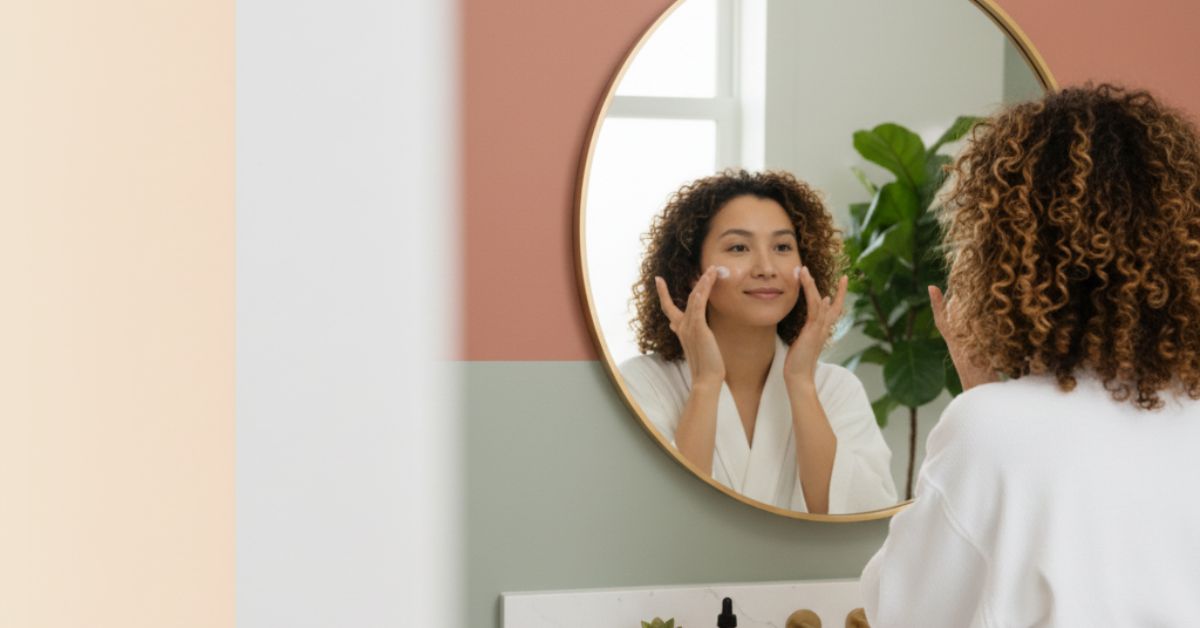
What Happens to Skin as We Age
Let’s face it — everyone ages, and so does our skin. You might wake up one day, catch your reflection, and notice tiny lines that weren’t there yesterday. Don’t panic — it’s completely normal. Aging skin is just your body’s way of saying, “Hey, I’ve been working hard all these years!”
Understanding what happens to your skin as you age can help you care for it better and embrace those changes with confidence — not fear.
Your Skin’s Slow and Steady Transformation
From your twenties onward, your skin begins to change in subtle ways. At first, it’s nothing dramatic — maybe a faint smile line or a softer glow after a long night. But underneath, your skin is going through a quiet transformation.
As you age, your collagen production starts to slow down. Collagen is the protein that keeps your skin firm, elastic, and youthful-looking. When your body makes less of it, your skin gradually becomes thinner and less bouncy.
You might also notice your skin feeling drier or tighter. That’s because oil glands become less active with age, which means less natural moisture.
Think of it this way — your skin is like a favorite piece of fabric. Over time, it’s still beautiful, but it needs a little more care to stay smooth and soft.
Gravity, Sun, and Time: The Three Big Players
While time plays a big role in how your skin changes, it’s not working alone. Three main culprits speed up the visible signs of aging: gravity, sun exposure, and lifestyle habits.
Let’s start with gravity — the silent force pulling everything downward. Over time, skin loses elasticity, and gravity starts to show its influence, especially around the cheeks, jawline, and eyes.
Next comes sun exposure, which is often the biggest factor in premature aging. UV rays break down collagen and elastin, leading to wrinkles, discoloration, and uneven texture. Even just a few minutes of unprotected sun exposure every day adds up over the years.
And finally, there’s lifestyle. Smoking, poor sleep, dehydration, and stress can all accelerate skin aging. The good news? You have control over these factors — and even small changes can make a big difference.
So, while time itself can’t be stopped, you can certainly slow down its effects with smart habits and consistent care.
The Science of Skin Renewal Slowing Down
When you’re younger, your skin renews itself about every 28 days. That means old skin cells are replaced with fresh ones, keeping your complexion smooth and radiant.
As you age, that process slows — sometimes taking up to 45 or even 60 days. That’s why mature skin can look dull or uneven; dead cells stick around longer than they used to.
This slower renewal also affects how your skin heals and reacts to treatments. For example, after something like Superficial Radiation Therapy (SRT) or laser procedures, older skin might need more time to fully recover. That doesn’t mean it can’t heal beautifully — it just means patience becomes part of your skincare routine.
To support your skin’s natural renewal, focus on gentle exfoliation, hydration, and sun protection. These small steps help your skin work smarter, not harder.
Wrinkles, Spots, and Texture Changes: The Normal Signs
Wrinkles aren’t a sign of something “wrong.” They’re a natural part of life and a reminder of all the smiles, laughs, and sunny days you’ve had.
As collagen decreases and cell turnover slows, fine lines appear first — usually around the eyes and mouth. Over time, they deepen into expression lines.
You might also see pigment changes, such as dark spots or uneven tone. These are usually caused by sun exposure and hormonal shifts.
Texture can change, too — skin may feel thinner or rougher in certain areas. But here’s the uplifting truth: with modern dermatology, you can manage all of these changes gracefully.
Non-invasive treatments like SRT, gentle resurfacing, or collagen-boosting facials can refresh your skin without surgery. You’re not reversing time — you’re helping your skin age well.
Your Skin Still Has Potential
Here’s something you might not realize — your skin never stops working for you. Even in your 50s, 60s, and beyond, it’s renewing, repairing, and responding to care.
If you give it the right environment — hydration, sun protection, and gentle products — your skin can look radiant at any age. It just needs consistency and kindness, not perfection.
Dermatologists often say: “You can’t stop aging, but you can age beautifully.” And that’s exactly what modern dermatology is about — supporting your skin’s natural process rather than fighting against it.
So yes, wrinkles and texture changes are part of the story, but they’re not the whole story. Your skin’s health, glow, and confidence matter more than smoothness alone.
Combining Dermatology with Gentle Therapies
When it comes to skincare, you’ve probably heard that “more” isn’t always better. That couldn’t be more true today.
Modern dermatology is shifting — away from harsh, invasive treatments and toward a gentler, more personalized approach to healing your skin.
This isn’t just about looking better. It’s about feeling comfortable in your own skin, inside and out. And that’s where gentle therapies make all the difference.
The Rise of Kind Dermatology
Not too long ago, dermatology was often linked with words like “pain,” “recovery,” or “downtime.” Treatments worked, sure, but they demanded patience and tolerance.
Now, the world of skincare is embracing a softer side.
Gentle dermatology means finding ways to heal and rejuvenate your skin without causing extra stress or trauma. It’s the science of balance — combining technology with comfort, results with relaxation.
Instead of peeling, burning, or cutting, dermatologists are turning to non-invasive and surface-level solutions that encourage your skin to repair itself naturally.
Take Superficial Radiation Therapy (SRT) as an example. It’s one of the best representations of this new approach — powerful enough to treat conditions like skin cancer, yet gentle enough to protect healthy tissue around it.
You don’t need to choose between effectiveness and comfort anymore. With today’s innovations, you can have both.
The Magic of Gentle Therapies
So, what exactly makes a therapy “gentle”? It’s not just about how it feels, but how it works with your skin’s natural rhythm.
Gentle therapies respect your body’s built-in ability to renew itself. They don’t overwhelm the skin; they guide it. Instead of shocking your cells into change, they nudge them in the right direction — safely and effectively.
Think of treatments like light-based therapy, SRT, microneedling, or low-level laser therapy. These methods use energy, light, or mild stimulation to trigger your skin’s healing response.
You might feel a warm glow, a soft pulse, or light pressure — but not pain. Over time, your skin becomes smoother, brighter, and stronger without having to go through intense downtime.
And the best part? These gentle therapies often work well together or alongside your everyday skincare routine. Your skin doesn’t have to start over — it simply continues its natural journey, now supported by science.
Less Trauma, More Healing
Traditional treatments sometimes relied on controlled damage — removing layers of skin to force renewal. While effective, it often meant redness, swelling, and a long recovery.
Modern dermatology has learned something valuable: skin heals better when it isn’t traumatized.
By reducing stress on the skin, gentle therapies promote faster recovery, more consistent results, and healthier outcomes overall.
For example, patients undergoing Superficial Radiation Therapy often notice minimal discomfort and no scarring — a huge improvement over surgical options. The skin stays calm while still healing effectively beneath the surface.
This “less is more” philosophy is changing everything about how dermatologists treat their patients. Your treatment no longer feels like a battle — it feels like teamwork.
Combining the Best of Both Worlds
The future of skincare isn’t about picking sides — medical or holistic, traditional or modern. It’s about combining them thoughtfully.
Dermatologists are now embracing collaboration with wellness-based therapies, such as hydrating facials, LED light sessions, or calming post-treatment skincare routines. These add-ons don’t just make your skin look better — they help it recover faster and feel more balanced.
Imagine getting a professional treatment to target deeper concerns, then following up with gentle therapies that soothe, hydrate, and protect. That’s what true skincare harmony looks like.
The goal is simple: achieve healthy, glowing results while treating your skin with care.
By working together, dermatology and gentle therapies make it possible to target issues like sun damage, scars, or aging without the harsh aftermath.
You get visible improvement without compromising comfort. That’s progress worth celebrating.
Your Skin Deserves Kindness, Too
Your skin has been with you through everything — from your teenage breakouts to your first sunburn. It deserves kindness.
Choosing gentle dermatologic treatments doesn’t mean you’re doing less. It means you’re doing it smarter. You’re giving your skin space to breathe and repair while still achieving visible, lasting results.
If you’ve ever avoided dermatologic care because you feared pain or downtime, now’s your moment to rethink that.
Today’s dermatology offers a world of gentle innovation, combining scientific precision with patient comfort. Whether it’s through SRT, laser treatments, or skin rejuvenation therapies, you can finally experience care that works with your skin, not against it.
How Treatments Like SRT Support Elasticity
You’ve probably heard people talk about “skin elasticity” — that magical ability of your skin to bounce back and stay firm.
But over time, that bounce can start to fade. Fine lines sneak in, your skin feels a bit thinner, and that youthful snap isn’t quite the same.
The good news? Modern dermatology has developed treatments that don’t just improve how your skin looks — they actually support how it behaves.
And one of the most impressive examples is Superficial Radiation Therapy (SRT).
Elasticity: The Secret Behind Youthful Skin
Let’s start with what elasticity really means. Your skin is made up of collagen and elastin — two proteins that work like scaffolding.
Collagen gives your skin structure, while elastin keeps it flexible. When you smile, stretch, or frown, elastin helps your skin snap right back into place.
But as you age, your skin naturally produces less of these proteins. Sun exposure, stress, and even dehydration can speed up this process.
The result? Skin that feels looser, thinner, or less firm over time.
That’s why supporting elasticity isn’t just about anti-aging creams — it’s about stimulating your skin’s natural repair process.
This is where gentle dermatologic treatments like SRT come into play.
How SRT Works Beneath the Surface
Superficial Radiation Therapy might sound complex, but it’s actually one of the most precise and gentle dermatologic treatments available.
Unlike traditional surgical methods, SRT uses low doses of targeted energy to treat the affected layers of skin without damaging the surrounding tissue.
While SRT is commonly used to treat certain skin conditions, its gentle stimulation of skin cells has an unexpected bonus: it helps your skin renew itself.
When your skin experiences controlled stimulation, your body responds by boosting natural healing. This process increases collagen and elastin activity — two key ingredients for firm, flexible skin.
In short, SRT supports your skin’s own ability to rebuild and strengthen from within.
Think of it as a quiet, behind-the-scenes repair crew, encouraging your skin to do what it already knows best — heal itself naturally.
The beauty of SRT is how non-invasive it feels. There’s no cutting, no scarring, and no long recovery.
Your skin is given space to heal calmly while those deeper processes — like elasticity restoration — continue to work in your favor.
Gentle Energy, Powerful Results
What makes SRT special is that it’s both powerful and kind.
It doesn’t “shock” your skin into repair the way some aggressive treatments do. Instead, it gently nudges your cells to rejuvenate themselves over time.
That’s a big deal for anyone looking to maintain or restore elasticity.
Because the treatment is so gentle, your skin stays balanced, avoiding the inflammation that often weakens collagen and elastin fibers.
And when your skin heals in a calm, healthy environment, those fibers rebuild stronger — giving your skin that natural, youthful spring again.
Patients who undergo SRT often report smoother texture, a softer feel, and a noticeable glow as their skin renews.
It’s like your skin quietly remembers what it was like to be bouncy again — no drama required.
Why Elasticity Is About Health, Not Just Beauty
Elasticity isn’t just about looking younger — it’s also about how your skin functions.
Healthy elastic skin is better at retaining moisture, healing small injuries, and protecting you from environmental stress.
When dermatologists talk about treatments that “support elasticity,” they’re really talking about restoring your skin’s strength and resilience.
SRT does this beautifully by working at the surface level, promoting long-term repair while respecting the delicate balance of your skin.
It’s not about changing your skin — it’s about helping it work at its best.
You might not notice the results overnight, but over time, your skin starts to feel firmer, smoother, and more resilient.
That’s real progress — subtle, natural, and healthy.
Combining SRT with Smart Skin Habits
While SRT is an excellent way to support elasticity, it works best alongside consistent skincare habits.
Think of it as teamwork — your treatment lays the foundation, and your routine keeps the progress going.
After treatment, keep your skin hydrated with a gentle, fragrance-free moisturizer, and always use sunscreen to protect your fresh, healthy cells.
Avoid harsh scrubs or peels that can disrupt your skin’s recovery process.
Eating well, drinking plenty of water, and getting enough sleep also play a big role in maintaining elasticity.
Your skin mirrors how you care for yourself — from the inside out.
Together, these simple habits and treatments like SRT create a routine that helps your skin stay firm, radiant, and strong over time.
The Gentle Future of Skin Health
The most exciting thing about modern dermatology is how it combines science and softness.
Treatments like Superficial Radiation Therapy prove that you don’t need harsh procedures to get lasting results.
By supporting your skin’s natural ability to renew, SRT helps maintain elasticity, texture, and overall skin wellness — without unnecessary trauma.
So if your goal is firmer, more youthful skin, remember: it’s not about forcing change.
It’s about guiding your skin back to balance — gently, effectively, and confidently.
Your skin already knows how to heal. Treatments like SRT just help it remember how.
Daily Routines That Slow Visible Aging
You’ve probably heard the saying “age gracefully,” but let’s be honest — we’d all prefer to age beautifully.
The truth is, your daily habits can either help your skin stay youthful or speed up visible aging without you realizing it.
The good news? You don’t need a complicated skincare routine or an endless list of products.
With just a few smart, consistent steps, you can help your skin look brighter, firmer, and more radiant every single day.
Let’s dive into how small changes in your daily routine can make a big difference in how your skin ages.
Start the Day with Smart Skincare
Morning is your skin’s chance to prepare for the day ahead — sunlight, pollution, stress, and everything in between.
The best thing you can do is protect and hydrate.
Begin by cleansing your face gently to remove any oil or residue from overnight.
You don’t need harsh scrubs; a mild cleanser is more than enough.
Next, apply a vitamin C serum to brighten your complexion and fight off free radicals.
This tiny step helps protect your collagen and keeps your skin looking firm and youthful.
Then, seal in moisture with a light, hydrating moisturizer that supports your skin barrier.
And, of course — never skip sunscreen.
Sun exposure is the number one cause of premature aging, leading to wrinkles, sunspots, and uneven texture.
Use a broad-spectrum SPF 30 or higher, even if you’re staying indoors.
Remember, UV rays can sneak through windows too!
Think of your morning routine as armor — lightweight but powerful enough to protect your glow all day long.
Evenings Are for Repair and Renewal
While you sleep, your skin works hard to repair and renew itself.
So your nighttime routine should focus on helping it recover from the day’s stress.
Start with a gentle cleanser to remove sunscreen, makeup, and pollution.
Then, use a hydrating toner or essence to prep your skin for treatment products.
This is where retinol or peptide-based serums come in handy.
They boost collagen production, smooth out fine lines, and help even out texture over time.
Follow up with a rich, soothing moisturizer to lock in hydration.
Your skin loses more moisture at night, so this step is key for keeping it soft and plump.
If your skin feels sensitive, consider alternating retinol with gentle recovery treatments — like niacinamide or ceramide-infused creams.
These help strengthen your skin barrier and reduce irritation.
By morning, your skin will feel refreshed, balanced, and ready to glow again.
Healthy Habits Beyond Skincare
What you do outside your skincare routine matters just as much as the products you use.
Your skin reflects your overall health, so lifestyle choices play a major role in visible aging.
🥗 Eat Skin-Loving Foods
Focus on meals rich in antioxidants, omega-3 fats, and vitamins.
Foods like berries, salmon, nuts, and leafy greens help fight free radical damage and keep your skin firm.
💧 Hydrate Consistently
Your skin loves water — inside and out.
Drink enough throughout the day, and use a humidifier if you live in a dry environment.
😴 Sleep Well
Those “eight hours of beauty sleep” aren’t just a saying.
During sleep, your skin repairs damage and boosts collagen production.
🧘 Manage Stress
Chronic stress increases inflammation and can make your skin look dull or tired.
Try light exercise, meditation, or even a few deep breaths when things feel heavy.
These habits might sound simple, but they’re powerful building blocks for long-term skin health.
Modern Dermatology’s Role in Aging Gracefully
Even with great habits, your skin sometimes needs extra support — and that’s completely okay.
Today’s dermatology offers gentle, non-invasive treatments that help slow visible aging without drastic changes.
Procedures like Superficial Radiation Therapy (SRT), laser resurfacing, and micro-therapies can help restore your skin’s structure and elasticity.
They work by stimulating collagen and encouraging natural regeneration — no cutting, no long downtime.
When combined with your daily routine, these treatments help maintain firmness and clarity as you age.
It’s not about chasing perfection — it’s about keeping your skin healthy, confident, and alive.
Dermatologists today aim for results that look natural and feel comfortable.
So if you ever feel like your skincare routine isn’t quite enough, gentle professional care can help bridge the gap beautifully.
Consistency Is the True Secret
The real trick to slowing visible aging isn’t just about what you use — it’s about showing up every day.
Consistency turns small habits into lasting change.
Whether it’s wearing sunscreen, staying hydrated, or getting enough rest, every effort adds up over time.
There’s no magic overnight fix for aging skin, and that’s perfectly fine.
The beauty of a daily routine is that it grows with you — adapting as your skin changes.
Your skin has an incredible ability to renew itself when you give it the right care and patience.
So keep your routine simple, be kind to your skin, and enjoy the process.
After all, aging is a journey — not a deadline.
And with a thoughtful routine and a little love, you can make it a beautiful one.
