
What Is Melasma?
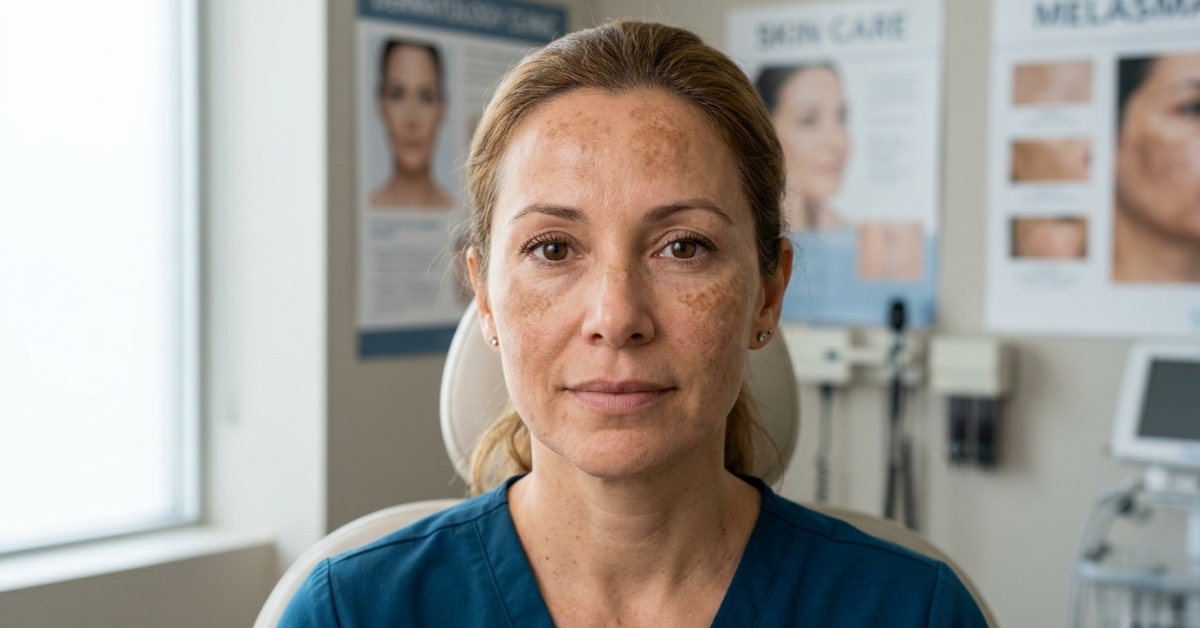
Melasma is a common skin condition that causes brown or gray-brown patches, usually on the face. These patches often appear on the cheeks, forehead, nose, and upper lip. It develops when pigment-producing cells become overactive.
Melasma is not harmful or contagious. However, it can affect confidence and skin appearance.
What Causes Melasma?
Melasma develops due to increased melanin production. Several factors can trigger this process:
-
Sun exposure: Ultraviolet (UV) rays stimulate pigment production
-
Hormonal changes: Pregnancy, oral contraceptives, and hormone therapy
-
Genetics: Family history increases risk
-
Heat and light exposure: Even visible light can worsen melasma
Who Is at Risk?
Melasma is more common in:
-
Women, especially during reproductive years
-
Individuals with medium to darker skin tones
-
People living in sunny or tropical climates
-
Those with frequent sun exposure
Common Triggers
Melasma can worsen with:
-
Prolonged sun exposure
-
Heat (cooking, saunas, hot environments)
-
Hormonal fluctuations
-
Inconsistent sunscreen use
Is Melasma Permanent?
Melasma can fade with treatment, but it often returns. Long-term management is key to maintaining results.
When to See a Dermatologist
Consult a skin specialist if:
-
Dark patches appear suddenly
-
Pigmentation worsens despite skincare
-
You want a professional treatment plan