
Can Your Diet Trigger Eczema Flares?
If you’ve ever felt your skin reacting after a meal, you’re definitely not imagining it. Food and eczema have a complicated relationship — one that’s different for everyone. While some people can eat anything without a problem, others may notice flare-ups after certain foods. The good news? Understanding how your diet affects your skin doesn’t mean giving up all your favorites. It’s more about paying attention and finding balance, not restriction.
Let’s dig in (pun intended) and uncover how what’s on your plate might be showing up on your skin.
The Gut-Skin Connection: Why What You Eat Matters
Your gut and skin are like distant relatives that talk more than you think. They communicate through something called the gut-skin axis, which links your digestive health to your skin’s condition. When your gut is happy, your skin often glows. But when your gut bacteria are out of balance, your skin might show it — especially if you have eczema.
Certain foods can influence this balance. Processed snacks, sugar-filled drinks, and fast food can upset your gut microbiome, making inflammation worse. On the other hand, whole foods, fiber, and fermented options like yogurt or kimchi support healthy bacteria that calm inflammation.
Think of it this way — your gut is like a garden. Feed it junk, and weeds grow wild. Nourish it well, and your skin blossoms naturally.
Common Food Triggers: What Might Be Causing Flares
Not all foods are villains, but some are known to cause trouble for eczema-prone skin. Dairy products, eggs, nuts, soy, and wheat are among the most common culprits. That doesn’t mean they’re always the cause, but if you’ve ever noticed itching or redness after eating certain foods, it’s worth taking note.
Your body’s immune system can react strongly to certain ingredients, releasing histamines that trigger inflammation. For someone with eczema, that can mean more itching, dryness, and irritation. But here’s the tricky part — not everyone reacts the same way. What causes flares for one person might be totally fine for another.
Keeping a food diary can help you track patterns. Write down what you eat and how your skin feels afterward. Over time, you’ll start to see connections that can guide your choices. And if you suspect a serious trigger, always check with a dermatologist or allergist before cutting out entire food groups.
Remember, the goal isn’t to fear food — it’s to understand your skin better. You deserve both happy meals and happy skin.
Eat for Calm: Foods That Support Skin Health
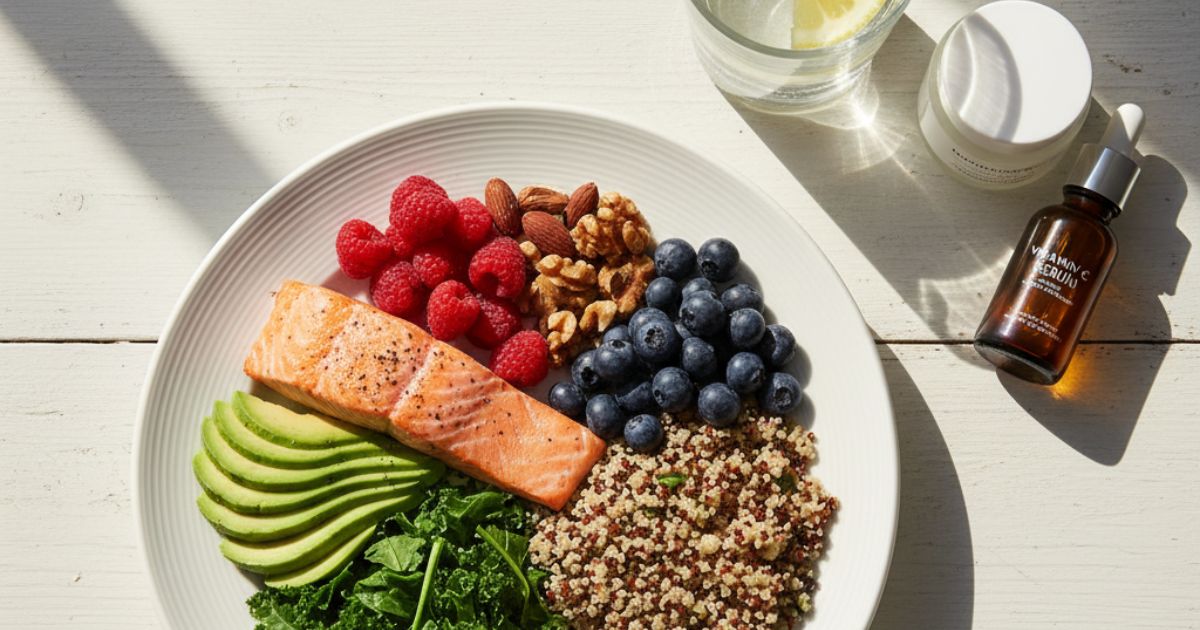
Let’s talk about the good guys — foods that help your skin stay calm, balanced, and strong. Anti-inflammatory foods are your best friends here. Think of colorful fruits, leafy greens, and fatty fish rich in omega-3s like salmon or sardines. These help reduce inflammation and strengthen your skin’s natural barrier.
Probiotics and prebiotics also play a big role. Yogurt, kefir, miso, and bananas feed your good gut bacteria, which may lower flare frequency. Plus, staying hydrated helps your skin stay elastic and less itchy. Water might not be exciting, but it’s your cheapest skincare investment.
And yes, small treats are okay! A balanced diet doesn’t mean giving up chocolate or pizza forever. It’s about moderation and noticing what your skin appreciates most.
Lifestyle Counts Too: It’s Not Just About Food
Before you blame your latte for your last flare-up, remember that diet is just one piece of the eczema puzzle. Stress, sleep, and even weather can trigger flare-ups too. When your body’s under pressure, your skin often follows suit.
Practicing mindfulness, getting enough rest, and managing stress are just as important as eating well. Try breathing exercises, gentle workouts, or simply taking a short break from screens — your skin will thank you.
Eczema management is a lifestyle, not a list of rules. You’re not supposed to be perfect; you’re supposed to listen to your body. Every positive step counts.
Anti-Inflammatory Foods That Support Skin Health
When your skin feels red, puffy, or irritated, it’s often inflammation trying to steal the spotlight. The truth is, what happens inside your body reflects outside — and that includes your skin’s glow, texture, and calmness. The great news? You can help your skin heal and thrive simply by choosing the right foods.
Anti-inflammatory foods aren’t just about cutting out the “bad stuff.” They’re about adding more of the good — colorful, nutrient-packed, skin-loving ingredients that help your body fight stress, toxins, and irritation. If you’ve been dealing with breakouts, dryness, or eczema flare-ups, your grocery list might hold more power than you think.
Let’s talk about how your meals can become your skin’s biggest ally.
The Power of Color: Eat the Rainbow for Healthy Skin
Ever notice how the healthiest foods are also the most colorful? Those bright reds, greens, oranges, and purples aren’t just pretty — they’re powerful. Each color comes from antioxidants that help protect your skin from inflammation and early aging.
Blueberries, for example, are loaded with antioxidants that help repair damage from pollution and UV rays. Spinach and kale are rich in vitamins A, C, and K — nutrients that help strengthen your skin barrier and reduce redness. Bright orange foods like carrots and sweet potatoes are full of beta-carotene, which your body turns into vitamin A to keep your skin smooth and strong.
Think of your plate as your skincare routine in food form. The more colors you add, the more nutrients your skin receives. It’s not just about eating clean — it’s about eating vibrant.
So, next time you shop, toss in something from every color group. Your skin will thank you with that natural, inside-out glow.
Omega-3 Heroes: How Healthy Fats Calm Skin Inflammation
Let’s clear something up: not all fats are the enemy. In fact, your skin loves the right kinds of fats — the ones that soothe inflammation and keep your skin barrier strong. Enter omega-3 fatty acids, your skin’s ultimate chill pill.
These healthy fats are found in foods like salmon, sardines, walnuts, chia seeds, and flaxseeds. They help reduce inflammation at a cellular level, meaning they calm irritated skin before it even flares up. Omega-3s also improve your skin’s hydration, making it feel softer and less itchy — a big win for anyone with eczema or dry skin issues.
If you’re not a fan of fish, no worries. Plant-based sources like chia pudding, flaxseed smoothies, or walnut snacks are great options. Adding a small dose of omega-3s to your daily meals can make a real difference in your skin’s comfort and glow.
Your skin doesn’t just need moisture from creams — it needs it from within, too. Omega-3s are like giving your skin a long, soothing sip of calm.
Spices That Heal: Flavorful Ways to Fight Inflammation
Good news — fighting inflammation doesn’t have to be boring. Some of the best skin-supporting foods are hiding in your spice rack. Turmeric, ginger, and cinnamon are flavorful heroes that also happen to be anti-inflammatory powerhouses.
Turmeric contains curcumin, a natural compound that helps reduce redness and puffiness. Ginger improves circulation and helps your skin look more radiant, while cinnamon balances blood sugar and supports smoother skin texture. Adding these spices to your meals or drinks can give your skin a daily boost without feeling like a chore.
Try golden milk with turmeric and oat milk, or sprinkle cinnamon on your morning oats. It’s self-care that smells and tastes amazing. Every small, flavorful habit adds up to calmer, happier skin.
Beyond the Buzz: Everyday Foods That Keep Skin Strong
You don’t have to live on superfoods alone to care for your skin. Everyday ingredients like tomatoes, avocados, green tea, and oats are gentle yet powerful.
Tomatoes are rich in lycopene, which helps protect against sun-related inflammation. Avocados are full of healthy fats and vitamin E that keep your skin supple. Green tea contains catechins, antioxidants that defend your skin from stress and pollution. Even oats, humble as they are, have anti-inflammatory properties that soothe the skin from the inside out.
Eating these foods regularly can help your skin stay balanced, hydrated, and resilient — like giving it armor made of good nutrition. The best part? You can find them in almost every grocery store. You don’t need a fancy diet, just mindful choices that your body and skin both enjoy.
Understanding Food Allergies and Eczema Links
If you’ve ever wondered why your skin flares up after certain meals, you’re not alone. Many people with eczema notice that their skin seems to react to what they eat. Sometimes it’s a mild itch; other times, it’s a full-blown flare-up that seems to appear out of nowhere. The question is — are food allergies really to blame, or is there more to the story?
Understanding how food and eczema connect can feel like solving a puzzle with invisible pieces. But don’t worry — once you start learning the signs, the picture becomes much clearer.
The Allergy-Skin Connection: How It Actually Works
Your immune system is your body’s built-in defense system. It protects you from bacteria, viruses, and things that could cause harm. But sometimes, it gets a little too protective. When your immune system mistakenly reacts to a harmless food — like milk, eggs, or peanuts — it releases chemicals like histamine that cause inflammation. That inflammation doesn’t just stay inside; it can show up on your skin as redness, itching, or swelling.
If you have eczema, your skin is already sensitive and prone to inflammation. So when your immune system overreacts to certain foods, your skin can respond with an itchy or irritated flare. It’s like adding extra fuel to an already smoldering fire.
However, not everyone with eczema has food allergies. In fact, most people don’t. But for those who do, managing both can make a big difference in calming their skin.
Common Culprits: Foods That May Trigger Reactions
When it comes to food-related eczema triggers, a few usual suspects often come up. Common allergens include dairy, eggs, soy, nuts, wheat, and shellfish. These foods don’t always cause eczema, but they can worsen it in people who are already sensitive.
Here’s where things get interesting — reactions can vary a lot. Some people might get itchy skin within minutes of eating a trigger food. Others might not notice symptoms until a day later. Sometimes, the flare isn’t dramatic; it might just look like dry patches that won’t go away.
That’s why identifying a trigger isn’t always easy. If you suspect a food allergy, it’s best not to guess. Cutting out too many foods can affect your nutrition and make your skin even more stressed. Instead, work with a dermatologist or allergist who can help you test safely and track your reactions.
Keeping a food and symptom diary can be a game-changer. Write down what you eat, when you eat it, and how your skin behaves afterward. Patterns often reveal themselves over time — and once you see them, managing your eczema becomes a lot less confusing.
What’s the Difference Between a Food Allergy and a Sensitivity?
Not every reaction means you’re allergic. Sometimes your body simply doesn’t like certain foods, but it’s not a full allergic response. That’s called a food sensitivity or intolerance, and it usually affects digestion more than the immune system.
For example, lactose intolerance isn’t the same as a milk allergy. A milk allergy triggers an immune reaction, while lactose intolerance just means your body struggles to digest dairy. But for people with eczema, both can still cause inflammation, especially if your body’s already under stress.
Think of it as your body’s way of sending gentle hints: “Hey, something here isn’t working for me.” Listening to those hints — without panicking — can help you make smarter food choices that support your skin.
Healing Beyond the Plate: What You Can Actually Do
Knowing your triggers is only half the story. The other half is keeping your skin barrier strong and calm, no matter what. Even if food plays a role, your daily skincare routine matters just as much.
Moisturizing regularly, avoiding harsh soaps, and protecting your skin from dry air can make a huge difference. When your skin barrier is healthy, it’s less likely to overreact to internal or external triggers — even food-related ones.
Stress also deserves a mention here. When you’re stressed, your body releases hormones that can worsen inflammation. So, managing stress through sleep, exercise, or mindful breaks helps more than you think. Eczema care isn’t just about what you eat — it’s about how you live.
A Balanced Plate for a Balanced Skin Barrier
Here’s a secret: your skincare routine doesn’t end with cleansers or serums — it continues on your plate. What you eat daily shapes how your skin feels, heals, and glows. A balanced diet isn’t just good for your body; it’s your skin barrier’s best friend.
When your plate is full of nutrients, your skin stays calm and protected. But when it’s missing essential vitamins or fats, your barrier becomes weak, making it easier for dryness, irritation, or eczema to sneak in. The goal isn’t perfection — it’s balance. And yes, you can absolutely have chocolate once in a while.
Let’s explore how a balanced plate can build a stronger, happier skin barrier — one bite at a time.
The Skin Barrier: Your Body’s Built-In Shield
Before you start thinking about diets or fancy smoothies, let’s understand the star of this story — your skin barrier. Think of it as your skin’s invisible shield. It locks in moisture, blocks out irritants, and protects you from pollution and bacteria.
When this barrier weakens, your skin becomes more sensitive. You might notice redness, itchiness, or flakiness — all signs that your skin needs support. And while skincare products help on the outside, nutrition is what strengthens it from within.
Your barrier is built from lipids, proteins, and water — just like a brick wall. The “bricks” are your skin cells, and the “mortar” that holds them together comes from healthy fats, vitamins, and minerals. Without enough nutrients, those gaps widen, and your skin loses its smooth, hydrated feel.
So, if your barrier could talk, it would probably say, “Feed me well, and I’ll protect you better.”
The Magic Trio: Fats, Vitamins, and Hydration
Let’s break down your barrier’s favorite nutrients — the ones that help it stay smooth, strong, and resilient.
Healthy Fats: Your skin barrier loves good fats like omega-3 and omega-6 fatty acids. These help maintain moisture and reduce inflammation. You’ll find them in salmon, avocados, walnuts, and flaxseeds. Adding just a handful of nuts or a drizzle of olive oil to your meals can make a big difference.
Vitamins and Minerals: Vitamins A, C, D, and E are essential for repair and protection. Vitamin A helps renew cells, Vitamin C supports collagen, Vitamin D strengthens your immune system, and Vitamin E acts as an antioxidant shield. Don’t forget zinc — it helps your skin recover faster from irritation.
Hydration: Water keeps everything running smoothly. When you’re hydrated, your skin cells are plump and elastic. When you’re not, your skin barrier dries out, and cracks appear — literally. Try infusing your water with lemon, cucumber, or berries if plain water feels boring.
The bottom line? The right nutrients make your barrier tougher, smoother, and ready to take on everyday stress.
Eat the Rainbow: Building Your Balanced Plate
A healthy skin barrier isn’t about strict diets — it’s about variety. Your body thrives on a mix of nutrients, and the easiest way to get them is by eating colorful foods.
Start with your base: whole grains like brown rice, quinoa, or oats for slow energy and skin-loving minerals. Add lean proteins such as chicken, tofu, eggs, or legumes for amino acids that help rebuild skin tissue. Fill half your plate with fruits and vegetables — the more color, the better. Bright produce means more antioxidants, which protect your skin from daily stress.
And don’t forget those “good mood” foods. Dark chocolate (in moderation), green tea, and berries boost your antioxidants while keeping your taste buds happy.
When your plate is colorful and balanced, your skin barrier gets the message — it’s time to shine.
More Than Food: Lifestyle Balance Matters Too
Even the most perfect diet can’t fix everything if your lifestyle is out of sync. Sleep, stress, and habits matter just as much as what’s on your fork.
When you’re stressed, your body produces cortisol, which weakens your skin barrier. Lack of sleep slows down repair, making your skin look dull and tired. And dehydration — yes, that second cup of coffee counts — can make your barrier flaky and fragile.
Balance here means giving your body time to rest, hydrate, and recover. Eat well, sleep deeply, and move a little every day. Your skin will thank you with that soft, healthy glow that no serum can fake.
The Bottom Line
Your skin barrier is a living, breathing part of you — and it listens to everything you do. The foods you eat, the water you drink, and the balance you keep all shape how strong your barrier becomes.
So instead of chasing “miracle creams,” start with your plate. Fill it with colors, textures, and nutrients that make your body feel alive. Balance doesn’t mean perfection — it means harmony. It means giving your skin what it truly needs: nourishment, rest, and care.
In the end, glowing skin isn’t built in your bathroom. It’s built in your kitchen — one balanced meal at a time.
