
Subtle Signs Your Nails Show Early
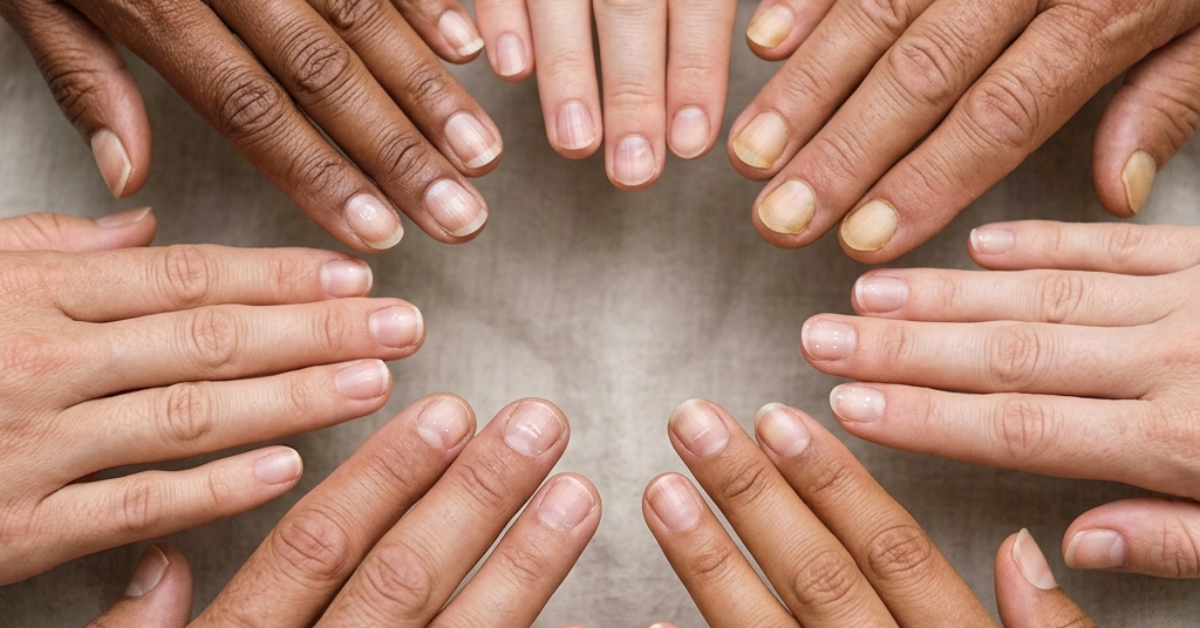
Your nails do more than complete your look. They quietly reflect what is happening inside your body. If you pay attention, you can spot early signs before bigger issues appear. The good news is, you don’t need medical training to notice these changes. You just need a little awareness and curiosity.
Let’s explore the small, often ignored nail signs your body might be sending you.
Tiny White Spots: Not Always What You Think
You may have noticed small white spots on your nails before. Many people think these come from calcium deficiency. That idea is very common, but not always accurate.
Most of the time, these spots appear after minor nail trauma. You might have bumped your nail without even realizing it. These marks show up later as the nail grows out.
If you see them occasionally, there is usually nothing to worry about. However, frequent spots across many nails could suggest something more. It might point to mild nutrient imbalance or repeated stress on your nails.
You should also observe how often they appear. Occasional spots are normal, but constant ones deserve attention.
Pale or Washed-Out Nails
Take a quick look at your nails in natural light. Do they look pink and healthy, or unusually pale? Your nail bed color can reveal a lot.
Pale nails might suggest low iron levels in your body. This can happen if your diet lacks enough iron-rich foods. You may also feel tired or weak along with this sign.
Sometimes, pale nails can be linked to poor circulation. Your body might not be delivering enough oxygen to your fingertips.
If your nails suddenly lose their healthy color, it’s worth paying attention. Small changes like this often appear before other symptoms.
Ridges You Can Feel and See
Run your fingers across your nails. Do you feel slight lines or ridges? Vertical ridges are quite common and often harmless. They usually become more visible as you age.
However, deep or sudden ridges may signal something else. Your body might be reacting to stress, illness, or nutritional gaps.
Horizontal ridges, also known as Beau’s lines, are more noticeable. These can appear after illness or major physical stress. They show a temporary pause in nail growth.
You don’t need to panic, but you should stay observant. Your nails may be telling you your body needs rest or recovery.
Brittle Nails That Break Easily
If your nails snap, peel, or split often, your body might be asking for help. Brittle nails are one of the earliest signs people notice.
Frequent exposure to water and cleaning products can weaken your nails. This is especially true if you don’t protect your hands.
At the same time, brittle nails may reflect low levels of essential nutrients. Your body needs vitamins and minerals to maintain strong nail structure.
You can start by checking your daily habits. Simple changes like moisturizing and gentle care can make a difference.
Slight Yellowing or Color Changes
A small change in nail color can be easy to ignore. You might blame nail polish or staining from daily activities.
While that can be true, consistent yellowing may signal something deeper. It can be linked to fungal growth or product buildup.
You should also watch for uneven color changes. If one nail looks different from the others, it deserves attention.
Healthy nails usually have a consistent tone. Any noticeable shift is your cue to look closer.
Slow Nail Growth
Have you ever felt like your nails are not growing as fast as before? Nail growth speed can tell you a lot.
Slow growth may happen when your body lacks proper nutrients. It can also occur during periods of stress or fatigue.
Your nails need energy and nutrients to grow efficiently. When your body prioritizes other functions, nail growth slows down.
Tracking your nail growth over time can help you notice patterns. It is a subtle but useful indicator of overall health.
Cuticles That Look Dry or Damaged
Your cuticles act as a protective barrier for your nails. When they look dry, cracked, or inflamed, something may be off.
This can happen if your skin lacks moisture or hydration. It may also result from frequent hand washing or harsh products.
Damaged cuticles can make your nails more vulnerable to infections. That is why they should never be ignored.
Keeping them healthy is a simple but powerful step in nail care.
Listen to the Small Changes
Your nails do not change without reason. Even the smallest sign can have meaning if you pay attention.
You don’t need to overanalyze every detail. Instead, focus on patterns and consistent changes over time.
When you notice something unusual, give your body extra care. Sometimes, simple adjustments can restore balance quickly.
Your nails are like quiet messengers. The earlier you listen, the easier it becomes to respond.
Color Changes You Shouldn’t Ignore
Your nails are like tiny mood rings for your body. They can shift color before you even feel something is wrong. If you look closely, you might notice subtle changes that seem harmless at first. However, some color changes deserve your attention more than others.
You don’t need to panic every time your nail shade looks different. Still, you should stay curious and aware of patterns. When a color change sticks around, your body might be trying to tell you something important.
Let’s break down the nail colors you should never ignore.
Yellow Nails: More Than Just Stains
You might think yellow nails come from nail polish or staining. That can happen, especially if you skip a base coat often. However, persistent yellowing can point to something deeper.
One common cause is a fungal infection. This usually starts small and spreads slowly over time. Your nails may also become thicker or more brittle along with the color change.
Sometimes, yellow nails are linked to lifestyle habits. Smoking, for example, can stain both nails and fingers over time.
If your nails stay yellow even without polish, it’s worth checking further. You should also notice if the texture changes along with the color.
White Nails or Pale Nail Beds
Healthy nails usually have a soft pink tone. If your nails look very pale or almost white, this could be a sign.
This change may suggest low iron levels in your body. You might also feel tired or notice low energy.
In some cases, pale nails can be linked to circulation issues. Your blood may not be delivering enough oxygen to your nail beds.
You should observe if the color change affects all nails evenly. Sudden paleness is something you should not ignore.
Bluish Nails: A Sign to Pause
If your nails look slightly blue or purple, take a moment to check your surroundings. Cold temperatures can temporarily cause this color change.
However, if the bluish tint stays even when you are warm, it may signal low oxygen levels. Your body might not be getting enough oxygen through your blood.
You may also notice this change along with shortness of breath or fatigue.
This is one of the color changes that needs quick attention. It’s better to act early than wait for symptoms to worsen.
Dark Lines or Black Streaks
A thin dark line running down your nail can be easy to miss. At first, it may look like a harmless mark or stain.
However, some dark streaks may need medical evaluation. They can sometimes signal more serious nail conditions.
You should especially pay attention if the line grows wider or changes shape.
If only one nail shows this change, it deserves extra attention. Early checks can make a big difference in outcomes.
Greenish Nails: A Hidden Infection
A green tint on your nail is not very common, but it can happen. This color often points to a bacterial infection.
It usually appears when moisture gets trapped under the nail. This creates a perfect environment for bacteria to grow.
You might notice a slight odor or nail lifting along with the color.
Keeping your nails clean and dry can help prevent this issue. If it appears, it’s best not to ignore it.
Brown or Uneven Nail Color
Brown discoloration can sometimes come from external staining. Hair dye, chemicals, or even dirt can affect your nails.
However, uneven brown patches may suggest something else. It could be linked to repeated trauma or underlying conditions.
You should look for changes in shape, thickness, or growth pattern.
If the color does not fade over time, it’s worth getting checked. Consistency matters more than intensity here.
When Color Changes Come with Texture
Color alone is not the only clue you should watch. When color changes come with texture shifts, it becomes more important.
For example, yellow nails that become thick and crumbly may suggest fungal growth. Pale nails that feel weak may reflect nutritional gaps.
You should always look at the full picture, not just one detail. Your nails tell a story through multiple signs combined.
Listen to What Your Nails Are Showing You
Your nails rarely change color without a reason. Even small shifts can carry useful information about your health.
You don’t need to assume the worst right away. Instead, focus on patterns, duration, and other changes.
If something looks unusual and does not go away, trust your instincts. Getting it checked early can save you stress later.
Think of your nails as helpful messengers. When you pay attention, you give yourself the chance to respond early.
Texture Clues and Hidden Deficiencies
Your nails are not just about color and length. Their texture can reveal what your body might be missing. If you run your fingers across your nails, you may notice small changes. These changes often appear before bigger health concerns show up.
You don’t need to be an expert to spot them. You just need to slow down and observe. When your nails feel different, your body might be asking for extra support.
Let’s explore what your nail texture could be trying to tell you.
Rough and Brittle Nails
If your nails feel rough or break easily, you are not alone. This is one of the most common texture changes people notice.
Brittle nails can happen when your nails lose moisture. Frequent hand washing and harsh products can strip natural oils. Over time, your nails become dry and fragile.
However, there may also be internal reasons behind this change. Low levels of essential nutrients can weaken your nail structure. Your body needs enough vitamins to keep nails strong and flexible.
You might notice peeling layers or splitting at the tips. This is your sign to check both your habits and your diet.
Simple steps like moisturizing and gentle care can help. At the same time, balanced nutrition plays a big role in long-term improvement.
Ridges That Tell a Story
Take a closer look at your nails under good lighting. Do you see lines running from base to tip? These are vertical ridges.
In many cases, vertical ridges are normal and harmless. They often become more visible as you age.
However, deep or sudden ridges may signal something more. Your body might be dealing with stress or nutrient imbalance.
Horizontal ridges are less common but more noticeable. These lines can appear after illness or major stress events. They show a temporary pause in nail growth.
You should pay attention to when these ridges appear. Timing can help you connect them to lifestyle changes or health events.
Spoon-Shaped Nails
Have you ever noticed nails that curve inward like a spoon? This texture change is called spooning. It may look subtle at first.
Spoon-shaped nails can be linked to low iron levels. Your body needs iron to support healthy blood and nail growth.
You might also feel tired or weak along with this change. These signs often appear together.
If your nails start to dip instead of staying flat, take it seriously. Early attention can help you address the root cause faster.
Pitted Nails and Small Dents
Tiny dents on your nails may look like someone tapped them with a pin. This texture is known as pitting.
Pitting can sometimes be linked to skin conditions. It may also appear without other obvious symptoms.
You should observe how many nails are affected. A single nail may not be a big concern, but multiple nails need attention.
These small dents are easy to ignore, but they carry useful information. Your nails are giving you clues in a quiet way.
Thickened or Hard Nails
If your nails feel thicker than usual, you might notice it while trimming them. Thick nails can feel harder and less flexible.
This change may happen due to repeated trauma or pressure. Tight shoes or frequent impact can affect nail growth.
In some cases, thick nails may also suggest infection or imbalance. The texture often changes along with color.
You should not ignore nails that keep getting thicker over time. Consistent changes usually have an underlying reason.
Soft Nails That Bend Easily
Soft nails can feel flexible and bend without breaking. While that may seem harmless, it can still signal something.
This texture change may happen when your nails lack protein support. Your body needs protein to build strong nail layers.
Overexposure to moisture can also weaken your nails. If your hands stay wet often, your nails may lose strength.
You should aim for balance. Your nails need both hydration and structure to stay healthy.
Peeling Nails and Layered Edges
Peeling nails often split into thin layers at the tips. This can feel frustrating, especially when it happens often.
This texture change is usually linked to dryness and external damage. Harsh chemicals and frequent washing can play a role.
However, it can also reflect nutritional gaps. Your nails may not be getting enough support from within.
You should look at your daily habits closely. Small changes can reduce stress on your nails and improve their condition.
When Texture Changes Happen Together
Sometimes, nail texture changes do not appear alone. You might notice ridges, brittleness, and peeling at the same time.
This combination can give you a clearer picture of what your body needs. It is not just one issue, but a pattern.
You should pay attention to how long these changes last. Temporary changes may resolve quickly, but persistent ones need care.
Tracking these signs can help you understand your body better. Your nails are offering clues that are easy to overlook.
Listen to the Feel, Not Just the Look
You often focus on how your nails look, but how they feel matters too. Texture gives you a deeper level of insight.
When your nails feel different, take a moment to check in with yourself. Your body might need rest, nutrients, or better care.
You don’t need to make drastic changes right away. Start with small, consistent improvements in your routine.
Your nails respond over time, not overnight. With attention and care, you can support healthier growth from the inside out.
When to See a Dermatologist
You check your nails often, but do you know when to seek expert help? Not every change needs concern. Still, some signs should never be ignored for too long.
Your nails can handle minor damage and recover on their own. However, persistent or unusual changes may need professional attention. Knowing when to act can save you time and stress.
You don’t need to wait for pain before seeing a dermatologist. Early action often leads to easier and faster solutions.
Let’s explore when your nails are asking for more than home care.
When Changes Don’t Go Away
You might notice a small change and expect it to fade quickly. That works for minor issues, but not always.
If a nail problem lasts for weeks without improvement, take it seriously. Your nails grow slowly, but they should still show progress.
Persistent discoloration, ridges, or brittleness may signal deeper concerns. These changes often need more than simple care routines.
You should also watch for changes that seem to get worse over time. Gradual worsening is a clear sign to seek help.
If your nails are not improving despite good care, it’s time for a professional opinion.
When You Feel Pain or Discomfort
Healthy nails should not hurt during normal activities. If you feel pain, your nails may be dealing with an issue.
Pain can come from infections, ingrown nails, or injuries. It may start mild and become stronger over time.
You might notice tenderness, swelling, or sensitivity around the nail area. These signs should not be ignored.
If touching your nail causes discomfort, it is worth checking. Pain is your body’s way of asking for attention.
Getting help early can prevent the problem from becoming more serious.
Pain, Swelling, or Discomfort
Your nails should not hurt during daily activities. If you feel pain, your body is clearly asking for help.
Swelling around the nail can suggest infection or irritation. You might also notice redness or warmth in the area.
Sometimes, the discomfort feels mild at first. Over time, it can become more noticeable and harder to ignore.
You should not wait until the pain becomes severe. Early care can prevent complications and speed up healing.
If your nail feels tender without a clear cause, it is worth a closer look.
Sudden or Dramatic Changes
Nails usually change slowly, not overnight. That is why sudden changes should catch your attention.
If your nail color shifts quickly, you should take it seriously. The same goes for rapid thickening or unusual shapes.
A nail lifting away from the nail bed is another sign. This can happen due to infection or trauma.
You should also notice if only one nail is affected. Isolated changes often need professional evaluation.
When something changes fast, your body is asking you to act sooner rather than later.
Signs of Possible Infection
Infections can start small but spread quickly if ignored. Your nails can show early signs that something is not right.
You might notice discoloration, unusual odor, or thickened nail texture. These are common signs of fungal or bacterial growth.
Sometimes, the skin around your nail may crack or ooze. This is your cue to stop home treatments and seek help.
You should avoid covering the problem with polish or artificial nails. This can make the issue worse over time.
Getting the right treatment early can prevent long-term damage.
Dark Lines or Unusual Pigmentation
A thin dark line on your nail may seem harmless at first. However, some pigment changes need careful attention.
If the line grows wider or changes shape, you should not ignore it. This type of change needs professional evaluation.
You should also watch if the color spreads to the surrounding skin. This can be an important clue.
Not every dark line is serious, but it is better to be safe. Early checks can give you peace of mind.
Nail Changes with Other Symptoms
Sometimes, nail changes appear along with other body signals. You might feel tired, weak, or notice hair or skin changes.
These combined signs can point to underlying health concerns. Your nails are just one part of the bigger picture.
For example, brittle nails and fatigue may suggest nutritional gaps. Pale nails and dizziness may need further testing.
You should not treat nail changes in isolation when other symptoms exist. A dermatologist can help connect the dots.
Looking at the full picture leads to better care and faster solutions.
When Home Care Is Not Enough
You may try simple remedies first, and that is completely fine. Moisturizing, gentle care, and healthy habits can improve many issues.
However, if nothing works after consistent effort, it is time to seek help. Your nails may need targeted treatment.
Over-the-counter products are not always enough for deeper concerns. Professional care can address the root cause more effectively.
You should not feel frustrated if home care fails. It simply means you need expert guidance.
Trust Your Instincts
You know your body better than anyone else. If something feels unusual, trust that feeling.
Even small changes can be worth checking if they bother you. Peace of mind is always a good reason to consult a professional.
You do not need to wait for a severe problem to take action. Early visits can prevent bigger concerns later.
Think of a dermatologist as your partner in skin and nail health. They are there to guide you, not just treat problems.
Take Action, Not Chances
Your nails give you small hints before bigger issues appear. Paying attention helps you stay one step ahead.
You don’t need to panic, but you also should not ignore persistent signs. Balance awareness with action.
When in doubt, getting a professional opinion is always a smart move. It helps you understand what is normal and what is not.
In the end, your nails are part of your overall health story. Listening to them can make a real difference.
