
What Makes a Scar Turn Into a Keloid?
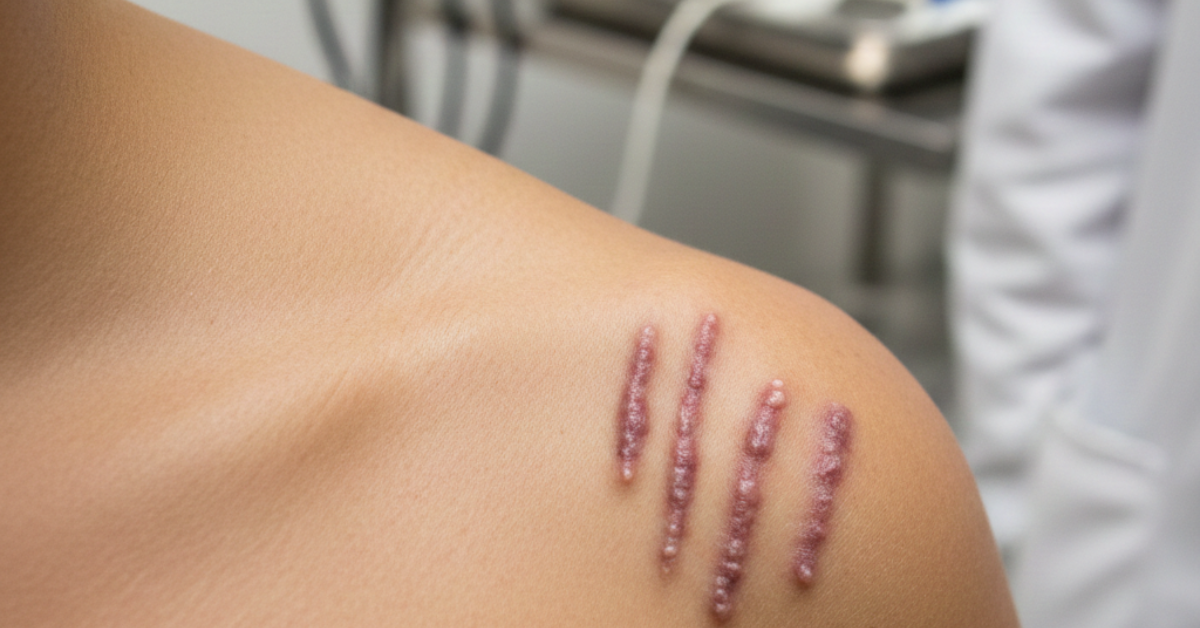
A scar is a normal part of the healing process, but a keloid forms when that process becomes overactive. Instead of stopping collagen production once the wound has closed, the body continues producing excess collagen, which leads to a thick, raised growth. This growth often extends beyond the boundaries of the original injury. Keloids are not caused by poor hygiene or improper care. They develop because the skin’s repair system responds more aggressively than necessary. Understanding this mechanism helps remove the mystery behind why some scars remain flat while others become noticeably raised and firm.
Overproduction of Collagen
Collagen plays a central role in wound healing. It acts as the structural framework that holds new tissue together while the skin repairs itself. In a typical healing process, collagen production increases after an injury and gradually slows down once the skin has recovered. With keloids, however, the body does not receive or respond properly to the signal to stop producing collagen. As a result, collagen continues to accumulate in the area. This buildup creates a scar that is thicker, denser, and more prominent than expected.
Unlike ordinary scars that flatten and fade over time, keloids tend to remain raised and may even continue growing slowly. They often feel firm or rubbery to the touch and can appear shiny. Some individuals experience itching, tenderness, or mild discomfort as the scar tissue expands. This ongoing growth is driven primarily by persistent collagen activity, which makes keloids biologically different from standard scars.
Genetic Influence on Scar Formation
Genetics plays a significant role in determining whether a scar will turn into a keloid. Individuals with a family history of keloids have a higher risk of developing them. This tendency is linked to inherited differences in how the body regulates inflammation and collagen production. Certain skin types are also more prone to keloid formation, particularly individuals with medium to darker skin tones. Researchers believe that melanin and other biological factors may influence how the skin responds to injury.
If someone has already developed one keloid, the likelihood of forming another increases. This pattern suggests that the skin has a consistent healing response style. Recognizing this genetic predisposition is important because it allows for preventive planning. Avoiding unnecessary skin trauma and discussing scar management before surgical or cosmetic procedures can reduce future complications.
The Role of Inflammation
Inflammation is a necessary step in wound healing, but prolonged inflammation can contribute to excessive scar formation. When the body detects an injury, it triggers an immune response that leads to redness, swelling, and warmth. This reaction signals that repair is underway. However, if inflammation continues for too long, it may stimulate ongoing collagen production.
Several factors can prolong inflammation, including infection, repeated irritation, or excessive tension on the healing wound. Tight clothing that rubs against a scar, frequent touching, or scratching can all increase irritation. Even minor but repeated stress on healing skin may encourage the body to continue reinforcing the area. Over time, this reinforcement contributes to thicker scar tissue and increases the risk of keloid formation.
Location and Skin Tension
Certain areas of the body are more likely to develop keloids due to natural skin tension and movement. The chest, shoulders, jawline, and ears are common sites. These areas experience frequent stretching and motion, which can complicate healing. Constant tension sends signals to the body that additional structural support may be needed. This perceived need often leads to greater collagen production.
For example, the chest expands and contracts with breathing, while the shoulders move with everyday activities. Even small, repeated movements can influence how scar tissue develops. Ear piercings are another frequent trigger, especially in individuals with a known tendency toward keloid formation. Recognizing high-risk areas allows individuals to make informed decisions about elective procedures and wound care.
Hormonal and Biological Factors
Hormones may also influence how scars develop. Keloids often appear or grow more rapidly during periods of hormonal fluctuation, such as puberty or pregnancy. These stages involve increased biological activity that can affect collagen production and skin repair responses. While hormones alone do not cause keloids, they may amplify the body’s tendency toward aggressive healing.
Additionally, researchers continue to study other biological signaling pathways involved in scar formation. Growth factors and cellular communication within the skin contribute to how tissue regenerates. In individuals prone to keloids, these signaling systems may remain active longer than necessary, resulting in continued scar expansion.
Understanding the Bigger Picture
A scar turns into a keloid when the body’s natural healing process becomes excessive and prolonged. The combination of genetic predisposition, ongoing inflammation, mechanical tension, and biological signaling creates the perfect environment for overproduction of collagen. This process results in a raised, thickened scar that behaves differently from normal scar tissue.
Although keloids can be frustrating and sometimes uncomfortable, they reflect an overprotective healing response rather than a dangerous condition. Recognizing the factors that contribute to their formation allows individuals to take preventive steps and seek early evaluation when needed. By understanding how and why keloids form, it becomes easier to manage expectations and approach healing with informed confidence.
Early Warning Signs You Shouldn’t Ignore
Not every scar heals the same way, and some may develop into keloids if left unchecked. A keloid forms when the body produces excessive collagen during the healing process, creating a thick, raised scar that can expand beyond the original injury. Recognizing keloid warning signs early is crucial for effective management and prevention. Paying attention to subtle changes in your scars allows you to take action before the tissue becomes more difficult to treat. Observing your skin carefully after injury, surgery, or even minor cuts can help you detect early keloid formation and protect your skin from long-term complications.
Scar Expansion Beyond the Original Wound
One of the most obvious early keloid warning signs is when a scar begins growing beyond its initial boundaries. Normal scars typically remain confined to the site of injury and gradually flatten and fade over time. In contrast, keloids can expand in all directions, forming a raised, firm area that extends past the original cut or wound. You may notice the edges slowly creeping outward or an unusual thickening that did not exist in the first few weeks of healing. Documenting scar size over time, even with simple measurements or photos, can help you detect this abnormal growth. Early detection of scar expansion increases the chances that dermatologists can provide effective treatment, reducing long-term discomfort and improving cosmetic outcomes.
Scar expansion often occurs gradually, which can make it difficult to spot without careful observation. Many people notice the change only when comparing old photographs or feeling the scar tissue during daily activities. If your scar consistently enlarges or thickens in unexpected areas, it is a strong indicator that early keloid management may be necessary. Addressing growth at this stage may involve silicone sheets, pressure therapy, or topical treatments recommended by a dermatologist.
Persistent Itching and Irritation
Itching is a normal part of wound healing, but persistent or intense itching can indicate early keloid development. Unlike minor healing-related discomfort, keloid itching is often ongoing and may feel deep beneath the surface of the skin. Some individuals describe a tingling, crawling, or burning sensation that does not resolve over time. Persistent itching often signals that collagen production in the scar tissue is still active, which can contribute to further thickening and scar enlargement.
Scratching the area may provide temporary relief, but it can worsen inflammation and exacerbate scar formation. Managing this irritation early with gentle pressure, moisturizing, or approved topical treatments can reduce the risk of further tissue overgrowth. Individuals prone to keloids should remain particularly vigilant about any scar that continues to itch weeks or months after the initial injury. Early keloid detection through monitoring persistent itching allows for proactive treatment before the scar becomes more pronounced or symptomatic.
Color Changes and Unusual Texture
Another key early warning sign is a noticeable change in color or texture of the scar. Keloids often appear pink, red, or darker than surrounding skin during the initial stages. Unlike normal scars that gradually fade, keloids may become increasingly firm, shiny, or raised over time. The texture may feel rubbery or dense, and the skin can appear unusually smooth or taut.
These visual and tactile changes indicate active scar remodeling and overproduction of collagen. Paying attention to these subtle shifts enables you to act quickly, whether by consulting a dermatologist or implementing preventive measures such as silicone gel sheets or compression therapy. Early intervention improves the chances of flattening the keloid, reducing discomfort, and minimizing cosmetic impact.
Why Early Detection Matters
Recognizing keloid warning signs is essential for prevention and treatment. Early detection allows you to intervene with non-invasive therapies before the scar enlarges or becomes more difficult to manage. Regular observation of healing wounds, documenting changes, and seeking professional advice can make a significant difference in long-term outcomes. People prone to keloids benefit from proactive care, especially in high-risk areas such as the chest, shoulders, jawline, and earlobes.
Keloid prevention starts with awareness. Understanding the early warning signs, including abnormal growth beyond the wound, persistent itching, and unusual color or texture, empowers you to take control of your skin health. Prompt attention can minimize the size, discomfort, and visibility of keloids while supporting more confident, comfortable healing.
By staying attentive and addressing these early indicators, you reduce the risk of uncontrolled keloid formation and maintain healthier, smoother skin over time.
Keloids vs. Hypertrophic Scars Explained
Scars are part of the natural healing process, but not all scars behave the same way. Two common types that often confuse people are keloids and hypertrophic scars. Both result from collagen overproduction, yet they have key differences in appearance, growth patterns, and treatment responses. Understanding these differences helps you identify your scar type and manage it more effectively. Early recognition and proper care are essential to reduce discomfort and improve cosmetic results.
Many people notice a raised or thick scar and assume it is a keloid. While hypertrophic scars can also be raised and firm, they remain confined to the original wound. Keloids, on the other hand, often grow beyond the initial injury, forming a more prominent and sometimes irregular shape. Recognizing these distinctions allows you to make informed decisions about care, monitoring, and treatment options.
Appearance and Growth Patterns
Hypertrophic scars are usually red or pink during the early stages and may appear firm or slightly raised. Over time, they often flatten naturally and gradually fade, sometimes leaving only a subtle mark. They remain contained within the boundaries of the original wound, which is an easy way to distinguish them from keloids.
Keloids, in contrast, can become much larger than the initial injury. They may continue expanding for months or even years. Keloids often feel rubbery or firm, sometimes shiny, and can be itchy or tender. They frequently grow beyond the original wound area, creating irregular shapes that can catch your attention quickly. This tendency to exceed the injury limits is the hallmark feature that separates keloids from hypertrophic scars.
Growth patterns also influence how these scars respond to treatment. Hypertrophic scars generally respond well to pressure therapy, silicone sheets, or topical treatments. Keloids often require more specialized interventions, such as corticosteroid injections, laser therapy, or combination treatments. Understanding how the scar develops helps you choose the right preventive or therapeutic approach.
Causes and Risk Factors
Both keloids and hypertrophic scars are caused by the skin producing excess collagen during healing. Your body is attempting to repair damage, but the process becomes overactive in certain situations. While anyone can develop a hypertrophic scar, keloids are more strongly linked to genetics and certain skin types. People with medium to darker skin tones are more prone to keloid formation, and family history plays a significant role.
Location also affects scar development. Keloids are commonly seen on the chest, shoulders, jawline, and earlobes, whereas hypertrophic scars can appear anywhere a wound is healing. Tension on the skin, repeated irritation, or infection can increase the likelihood of abnormal scarring. Understanding these risk factors allows you to take preventive measures, such as avoiding unnecessary trauma and providing proper wound care during the early healing stages.
Symptoms and Comfort
Hypertrophic scars can feel tight or mildly itchy but often do not cause significant discomfort. They may become more noticeable with movement if located in areas of frequent tension, such as the shoulders or joints. The raised tissue may be bothersome aesthetically but rarely interferes with daily life.
Keloids, however, often present additional symptoms. They may be itchy, tender, or even slightly painful, especially if the scar is large or located in a sensitive area. Some people experience discomfort due to rubbing against clothing or repeated mechanical stress. While keloids are benign, their appearance and sensations can affect confidence and comfort. Identifying the type of scar early allows you to manage these symptoms more effectively.
Treatment Approaches
Treatment differs significantly between keloids and hypertrophic scars. Hypertrophic scars are more likely to respond to non-invasive measures. Silicone sheets, compression therapy, and gentle moisturizing can flatten the scar over time. Laser therapy or steroid creams may also be effective in reducing redness and thickness.
Keloids are more resistant and often require combination approaches. Corticosteroid injections can reduce inflammation and slow growth. Laser treatments help improve texture and color, while surgical removal may be combined with post-operative therapies to prevent recurrence. Early intervention is key, as larger keloids are more difficult to treat successfully. Regular monitoring and proactive care increase the chance of long-term improvement and comfort.
Why Understanding the Difference Matters
Knowing whether you have a hypertrophic scar or a keloid changes how you manage it. Both types require attention, but the strategies differ. Hypertrophic scars may improve naturally with patience, while keloids often demand active intervention. Recognizing early warning signs and understanding your risk factors empowers you to take control of your skin health.
Paying attention to scar size, texture, color, and growth pattern ensures early detection. Preventive care, proper wound management, and professional guidance make a significant difference in long-term outcomes. By understanding the distinction between keloids and hypertrophic scars, you can confidently monitor healing, reduce complications, and maintain healthier, smoother skin.
When to See a Skin Expert
Scars are a natural part of the healing process, but sometimes they require professional attention. Not every scar needs a dermatologist, yet knowing when to seek help can make a huge difference in appearance, comfort, and long-term outcomes. Keloids and hypertrophic scars can grow unexpectedly, become uncomfortable, or interfere with daily activities. Early intervention often prevents further complications and reduces the need for aggressive treatments later. Understanding the right timing to consult a skin expert allows you to take control of your healing journey and protect your skin health with confidence.
Many people wait too long before seeking professional advice. By the time they do, the scar has already thickened or spread, making treatment more difficult. Recognizing early warning signs and understanding when to reach out empowers you to act promptly. Consulting a dermatologist or skin specialist does not mean something is “wrong.” It simply means you are taking proactive steps to care for your skin.
Persistent Growth Beyond the Scar
One of the most important reasons to see a skin expert is if a scar continues to grow beyond the boundaries of the original injury. Keloids, in particular, can expand slowly over weeks or months. Even if the scar is not painful, noticeable growth warrants a professional assessment. A dermatologist can evaluate whether the scar is developing abnormally and recommend interventions that reduce further expansion.
Monitoring scar size regularly is a simple but effective strategy. Using photos or gentle measurements can help you notice subtle changes before the growth becomes pronounced. Early consultation often allows for non-invasive treatments, such as silicone sheets, compression therapy, or topical agents. Ignoring abnormal expansion may lead to larger, more difficult-to-treat keloids.
Discomfort, Itching, or Tenderness
Another sign that it’s time to see a skin expert is persistent discomfort. Itching, tenderness, or mild pain that does not resolve as the scar heals may indicate excessive collagen activity. While some irritation is normal during the healing phase, prolonged symptoms should not be ignored.
Dermatologists can recommend strategies to reduce discomfort and prevent further scar thickening. For instance, corticosteroid injections, laser therapy, or specialized ointments can relieve itching and slow scar progression. Early management of these symptoms improves comfort and may prevent the scar from becoming more noticeable or bothersome.
Even minor, recurring discomfort should be observed carefully. It is better to get a professional opinion early than wait until the scar becomes more aggressive and harder to manage.
Cosmetic Concerns and Confidence
Scars, especially keloids, can affect self-confidence and daily life. If a scar is visibly raised, red, or irregularly shaped, a dermatologist can discuss options for cosmetic improvement. Treatments vary depending on the scar type, location, and size. Professional guidance ensures that interventions are safe and effective.
Some people delay consultation due to fear of procedures or uncertainty about options. A skin expert can provide clear, practical recommendations tailored to your needs. Even non-invasive treatments can make a significant difference in appearance and texture. Early evaluation also prevents emotional stress from prolonged worry about scar appearance.
Cosmetic concerns are valid and worth addressing. A healthy approach combines both physical care and emotional well-being.
Risk Factors and Preventive Care
Individuals prone to keloids or hypertrophic scars should consider consulting a dermatologist proactively. If you have a family history of keloids, darker skin tone, or have experienced rapid scar growth in the past, early monitoring is essential. Preventive care may include pressure therapy, silicone sheets, or close observation after surgery or injuries.
Skin experts can also provide guidance on wound care to minimize risk. They can advise which procedures, piercings, or cosmetic interventions are safer for your skin type. Early preventive measures reduce the likelihood of severe keloid formation, helping maintain smooth, comfortable skin.
Understanding personal risk factors empowers you to make better decisions about skin health. Consulting a professional is not only reactive; it is a proactive strategy that supports long-term wellness.
When to Seek Immediate Help
Immediate consultation is recommended if a scar shows rapid growth, persistent redness, severe itching, pain, or signs of infection. Any sudden changes in color, swelling, or discharge should prompt urgent professional evaluation. While most scars are harmless, early assessment ensures nothing more serious is overlooked.
Skin experts can diagnose and differentiate between keloids, hypertrophic scars, or other dermatological conditions. Prompt evaluation prevents unnecessary complications and provides peace of mind.
Final Thoughts on Seeing a Skin Expert
Knowing when to consult a dermatologist is a crucial part of scar management. Early intervention allows for more effective treatment, better cosmetic results, and reduced discomfort. Persistent growth, ongoing itching, tenderness, cosmetic concerns, or high-risk factors are all valid reasons to seek professional advice.
Visiting a skin expert does not imply anything is wrong with your body. It means you are taking proactive steps to ensure your skin heals optimally. Monitoring your scars, recognizing warning signs, and acting early empowers you to manage both the appearance and health of your skin confidently.
Taking control of scar management helps prevent long-term issues, improves comfort, and supports self-confidence. Your skin deserves attentive care, and professional guidance ensures you achieve the best possible outcomes.
