
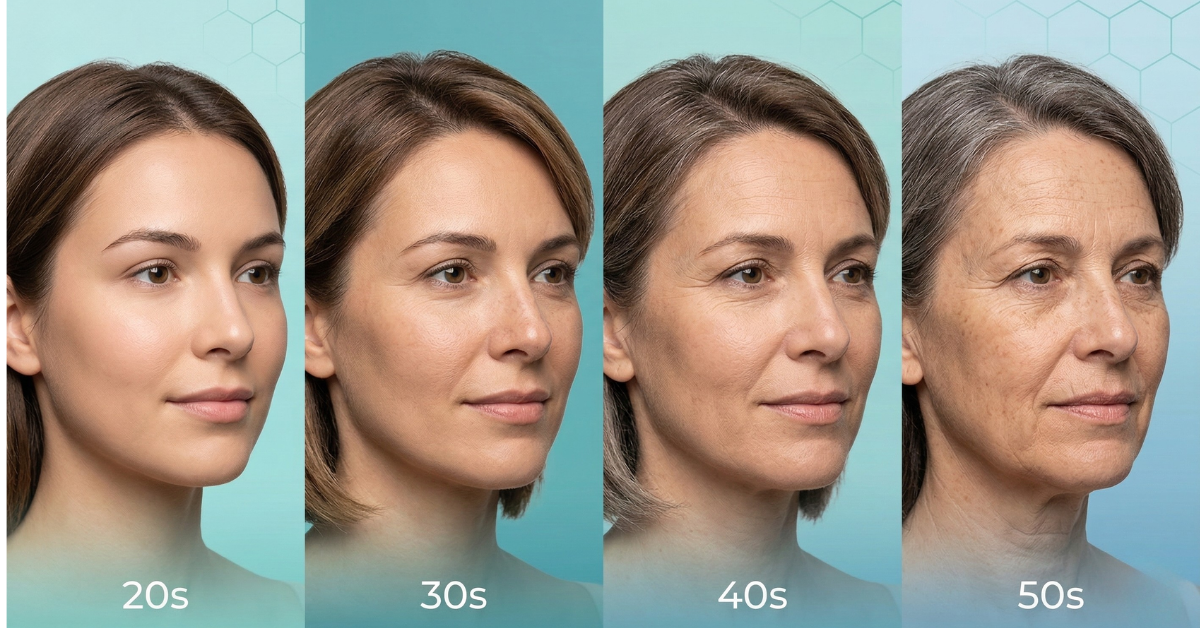
Why Skin in Your 20s Still Needs Preventive Care
Your twenties often feel like the golden age of skin. Your face usually looks smooth, bright, and naturally firm. Breakouts may still appear sometimes, but overall your skin often recovers quickly. Because of this, many people think serious skincare can wait until later years.
However, your twenties are actually one of the most important times to care for your skin. What you do today quietly shapes how your skin will look in the future. Preventive care is not about fixing damage. It is about slowing damage before it begins.
Think of it like brushing your teeth. You do not wait for cavities before caring for them. Skin works the same way. Small habits now can protect your skin for many years ahead.
Below are a few reasons why preventive care deserves attention during your twenties.
Your Skin Is Still Producing Strong Collagen
One major reason your skin looks youthful in your twenties is collagen. Collagen is a protein that gives skin structure, strength, and smoothness. It acts like a support system beneath the surface.
During your twenties, collagen production is still active and healthy. Your skin can bounce back quickly after stress, sun exposure, or breakouts. This natural repair ability makes your skin look resilient and glowing.
But here is something many people do not realize. Collagen production slowly begins to decline during your mid-twenties. The change is gradual, so you might not notice it right away.
Preventive skincare helps protect the collagen you still have. Sunscreen, gentle skincare routines, and healthy lifestyle habits support this natural structure. When collagen stays stronger longer, fine lines appear much later.
You are not fighting wrinkles in your twenties. You are simply helping your skin stay strong for the future.
Sun Damage Starts Earlier Than You Think
Many people associate sun damage with older skin. In reality, most sun damage begins much earlier in life. Your twenties often include outdoor activities, travel, and busy schedules under the sun.
Even short daily exposure can slowly affect the skin. Ultraviolet rays break down collagen and trigger uneven pigmentation. These changes develop quietly beneath the surface.
Years later, they may appear as fine lines, dark spots, or dull skin tone. This is why dermatology experts always talk about prevention.
Wearing sunscreen regularly is one of the simplest protective habits you can build. A broad-spectrum sunscreen helps shield your skin from harmful rays. It reduces the invisible damage that slowly builds over time.
Adding sunscreen to your morning routine can make a big difference. It takes only a few seconds, yet protects your skin every day.
Your future skin will definitely thank you for that small effort.
Early Skincare Habits Build Long-Term Skin Health
Your twenties are the perfect time to build simple skincare habits. These habits become easier to maintain as your life becomes busier.
You do not need a complicated routine with many expensive products. In fact, gentle and consistent care often works best. A basic routine usually includes cleansing, moisturizing, and sun protection.
Cleansing removes dirt, oil, and pollution collected throughout the day. Moisturizing supports your skin barrier and keeps your skin comfortable. Sunscreen protects your skin from long-term damage.
When you practice these habits early, they become second nature. Your skin also adapts to regular care and stays balanced.
Consistency matters much more than complicated routines. Even a few simple steps can help maintain healthy skin over time.
Lifestyle Choices Show Up on Your Skin
Your twenties are often filled with late nights, busy schedules, and exciting social activities. While these experiences are part of life, they can also affect your skin.
Lack of sleep, high stress, and irregular meals may influence how your skin behaves. Breakouts, dullness, or dryness sometimes appear when your body feels overwhelmed.
Preventive care also includes paying attention to lifestyle habits. Drinking enough water supports hydration. Balanced meals provide nutrients that help skin repair itself. Regular sleep allows your skin to recover overnight.
You do not need perfect habits every day. Small adjustments can already support healthier skin.
Think of skincare as part of your overall wellness routine. When your body feels better, your skin usually reflects it.
Small Efforts Now Can Prevent Bigger Problems Later
The biggest benefit of preventive care is long-term protection. Your twenties offer a window of opportunity for simple but powerful habits.
When you protect your skin early, you reduce the risk of deeper wrinkles later. You may also prevent uneven pigmentation and premature skin aging.
Preventive care does not mean worrying about aging. It simply means respecting your skin while it is healthy.
Your skin is working hard every day to protect you from the environment. Giving it basic support helps maintain that natural balance.
By caring for your skin now, you are investing in future confidence. Healthy skin often comes from years of consistent attention.
So while your skin may look great today, it still deserves thoughtful care. Preventive skincare keeps that youthful glow going longer.
And the best time to start is always right now.
Hormonal Skin Changes Many Women Notice in Their 30s
Your thirties can feel like an exciting and busy stage of life. Your career grows, responsibilities expand, and your routine becomes fuller. At the same time, your skin may begin showing subtle changes.
Many women notice their skin behaves differently during this decade. Products that once worked perfectly may suddenly feel less effective. Breakouts may appear in unexpected places, while dryness may show up more often.
One major reason behind these changes is hormones. Hormones influence oil production, skin thickness, pigmentation, and even healing. Small shifts during your thirties can affect how your skin looks and feels.
The good news is that these changes are normal and manageable. Understanding what is happening helps you care for your skin with more confidence.
Let’s explore some hormonal skin changes women commonly notice in their thirties.
Adult Acne Can Appear When You Least Expect It
Many women believe acne disappears after their teenage years. Unfortunately, your thirties may bring occasional breakouts again. This type of acne often appears around the chin, jawline, and lower cheeks.
Hormonal shifts can increase oil production in certain areas of your face. This extra oil may clog pores and trigger inflammation. Stress and busy schedules may also contribute to flare-ups.
You might notice these breakouts appear around your monthly cycle. Hormones fluctuate during this time, which can stimulate the oil glands.
Adult acne often feels different from teenage acne. Pimples may appear deeper and feel more tender under the skin. They can also take longer to heal.
The key is staying calm and consistent with your routine. Gentle cleansing, balanced hydration, and avoiding harsh treatments can help your skin stay stable.
If breakouts become frequent, a dermatology visit may provide helpful guidance. Early care can prevent long-term marks or irritation.
Your Skin May Feel Drier Than Before
Another common change during your thirties is increased dryness. You might notice your skin feels tight after cleansing. Your favorite makeup products may also sit differently on the skin.
Hormones influence how much natural oil your skin produces. As hormone levels gradually shift, oil production may slightly decrease.
Less oil means your skin barrier may lose moisture more easily. This can lead to dullness, rough patches, or sensitivity.
You may find that moisturizers become more important during this decade. A simple hydrating routine helps maintain comfort and balance.
Lightweight moisturizers with ingredients that support hydration can work very well. Applying moisturizer while your skin is slightly damp can also help lock in moisture.
Drinking enough water and getting proper sleep also support hydration. Small habits often improve how your skin feels every day.
Pigmentation Changes May Become More Noticeable
Some women begin noticing uneven pigmentation in their thirties. These changes may appear as dark patches, spots, or areas of uneven tone.
Hormones can influence how pigment cells behave in the skin. When these cells become overactive, they may produce extra pigment.
Sun exposure can also trigger or worsen these pigment changes. Even mild sun exposure over time may affect how pigment develops.
One common condition related to hormones is melasma. This appears as brown or gray patches, usually on the cheeks, forehead, or upper lip.
Melasma sometimes appears during pregnancy or while using hormonal medications. However, it can also develop gradually without a clear trigger.
Sun protection plays an important role in managing pigmentation. Wearing sunscreen daily helps reduce triggers that activate pigment cells.
Consistent protection can make a noticeable difference over time.
Early Signs of Skin Aging May Begin to Appear
Your thirties may also introduce the first early signs of aging. These changes are usually very subtle at first.
You might notice faint lines around the eyes or mouth. Your skin may not bounce back as quickly after long days.
Hormones influence collagen production, which supports skin firmness. Collagen slowly decreases as you move through adulthood.
This change does not happen overnight. It develops gradually and often goes unnoticed at first.
The good news is that preventive skincare can support your skin during this stage. Sunscreen, gentle skincare routines, and healthy habits help maintain your skin’s structure.
Regular skin care also helps maintain brightness and smoothness.
Understanding These Changes Helps You Care for Your Skin
Your thirties are not a time to worry about your skin. Instead, they are a time to understand it better.
Hormonal changes are a natural part of life. They simply remind you that your skin evolves along with you.
When you notice new changes, try observing how your skin responds. Small adjustments to your routine may improve balance.
Gentle products, hydration, and sun protection often support healthy skin during this decade.
If something unusual appears, seeking professional advice can also be helpful. Dermatology care focuses on maintaining skin health through every life stage.
Most importantly, remember that skin changes are completely normal. They simply reflect the natural rhythm of your body.
With awareness and care, your skin can continue looking healthy, comfortable, and confident throughout your thirties.
Collagen Loss and Pigmentation in the 40s and Beyond
Your forties often bring wisdom, confidence, and a clearer sense of self. Life experience grows, and many priorities become simpler. At the same time, your skin may begin showing noticeable changes.
You might see deeper lines, areas of uneven color, or a slight loss of firmness. These changes are completely natural and part of the skin’s aging journey. Two major factors behind these changes are collagen loss and pigmentation.
Collagen supports your skin’s structure and smoothness. Pigmentation controls the color and tone of your skin. As you move into your forties and beyond, both can shift gradually.
Understanding these changes helps you care for your skin more comfortably. Instead of worrying about aging, you can focus on supporting healthy skin.
Let’s explore what usually happens during this stage.
Collagen Gradually Decreases Over Time
Collagen is one of the most important building blocks in your skin. It gives your skin strength, firmness, and structure. When collagen levels are strong, skin looks smooth and plump.
As you reach your forties, collagen production slows down more noticeably. Your body simply produces less of this supportive protein.
Because of this change, your skin may begin to feel thinner. Fine lines can become deeper and more visible. Areas around the eyes and mouth often show these changes first.
You may also notice that your skin does not bounce back as quickly as before. This happens because collagen helps skin maintain its elasticity.
Although collagen naturally declines, healthy habits can help support your skin. Gentle skincare routines and sun protection protect the collagen you still have.
Consistency matters much more than complicated routines. Simple care can help your skin stay balanced and healthy.
Skin Firmness May Slowly Change
Another change related to collagen loss is reduced skin firmness. You might notice subtle sagging around the cheeks or jawline. This shift usually happens gradually over several years.
Gravity also plays a role in these changes. As collagen decreases, your skin has less structural support.
You may see softer contours along your face compared to earlier decades. This does not happen suddenly, but it becomes more noticeable over time.
Hydration and supportive skincare can help maintain comfort and appearance. Moisturizers help keep the skin barrier healthy and flexible.
Healthy lifestyle habits also support your skin during this stage. Good sleep, balanced nutrition, and stress management all contribute to skin wellness.
Think of these habits as daily support for your skin’s natural structure.
Pigmentation Changes Become More Noticeable
Pigmentation changes are also common during your forties and beyond. You may begin seeing darker spots or uneven tone on your face. These spots often appear on areas exposed to sunlight for many years.
Sun exposure plays a large role in pigmentation changes. Ultraviolet rays stimulate pigment cells within the skin. Over time, these cells may produce extra color in certain areas.
These marks are often called sun spots or age spots. They typically appear on the cheeks, forehead, or temples.
Hormones can also influence pigmentation. Some women notice darker patches known as melasma. These patches may appear during hormonal changes or after sun exposure.
Although pigmentation changes are common, sun protection remains very helpful. Regular sunscreen use reduces triggers that activate pigment cells.
Even small daily protection habits can make a noticeable difference.
Skin May Look Duller Without Regular Care
Another subtle change many people notice is reduced brightness. Skin may appear slightly duller compared to earlier years.
This happens because skin cell turnover slows down with age. New skin cells take longer to reach the surface.
As a result, older cells can accumulate and affect skin texture. Your skin might look less radiant or slightly rough.
Gentle exfoliation and hydration can help refresh the skin’s appearance. Removing older surface cells allows newer cells to appear more easily.
Maintaining a consistent skincare routine can support healthy skin renewal.
You do not need aggressive treatments to improve brightness. Often, gentle care works best for mature skin.
Supporting Your Skin Through the Years
Your forties and beyond are not about fighting aging. Instead, they are about supporting your skin as it evolves. Collagen loss and pigmentation are natural parts of the aging process. Every person experiences these changes differently. The goal is not perfection. The goal is healthy, comfortable skin that reflects your lifestyle and care. Simple steps like sunscreen, hydration, and balanced routines can help maintain skin quality. Small daily habits often create long-term benefits. Regular skin checks can also be helpful during this stage.
Dermatology visits allow professionals to monitor skin health and address concerns early. Most importantly, remember that aging skin still deserves appreciation. Your skin reflects years of life experiences, expressions, and memories. With thoughtful care, your skin can continue looking vibrant and healthy for many years. And sometimes, the best skincare step is simply treating your skin with patience and kindness.
Your skin changes as the years go by. However, healthy habits can support your skin at every stage of life. You do not need complicated routines to care for your skin well.
Many people think skincare must change completely with age. In reality, a few simple habits work for almost everyone. These habits help protect, balance, and support your skin every day.
Your skin is your body’s largest organ. It works hard to protect you from the outside world. Sunlight, pollution, stress, and daily activities all affect your skin.
The good news is that consistent care makes a real difference. Small daily actions can keep your skin healthier for many years.
Let’s look at a few skin habits that work well at any age.
Protect Your Skin From the Sun Every Day
Sun protection is one of the most important habits for healthy skin. Many skin changes develop because of long-term sun exposure.
Ultraviolet rays can damage collagen and trigger uneven pigmentation. Over time, this damage may appear as wrinkles, spots, or rough texture.
The surprising part is how easily sun exposure adds up. Even short walks outside can affect your skin over time.
You can protect your skin by using sunscreen daily. A broad-spectrum sunscreen helps shield your skin from harmful rays.
Apply sunscreen as part of your morning routine. It should be one of the final steps in your skincare process.
Reapplying sunscreen during long outdoor activities can also be helpful. Hats and sunglasses provide extra protection when the sun feels strong.
This habit may seem small, but it offers long-term benefits for your skin.
Keep Your Skin Clean but Gentle
Cleansing is another essential step for healthy skin. Your skin collects dirt, oil, and environmental particles during the day.
Washing your face removes these impurities and keeps your pores clear. Clean skin also allows other skincare products to work better.
However, gentle cleansing is very important. Harsh scrubbing can irritate the skin and weaken the protective barrier.
You can choose a mild cleanser that matches your skin type. Many gentle cleansers remove dirt without stripping natural oils.
Most people benefit from cleansing twice a day. A morning cleanse refreshes your skin, while an evening cleanse removes daily buildup.
Using lukewarm water instead of hot water also helps protect the skin barrier.
When your skin barrier stays healthy, your skin feels more comfortable and balanced.
Hydration Helps Your Skin Stay Comfortable
Hydration plays a big role in healthy skin. Well-hydrated skin usually looks smoother and feels more comfortable.
Moisturizers help support the skin barrier and reduce dryness. They also help lock in moisture after cleansing.
You may notice your skin feels tighter without proper hydration. Dryness can sometimes make fine lines appear more visible.
Applying moisturizer regularly helps maintain softness and flexibility. Many people apply moisturizer both morning and evening.
Choosing a moisturizer suited to your skin type is helpful. Lightweight formulas often work well for oily skin. Richer creams may benefit dry skin.
Drinking enough water also supports overall skin health. Hydration from within complements your external skincare routine.
When your skin stays hydrated, it often appears brighter and more refreshed.
Support Your Skin With Healthy Lifestyle Habits
Skincare products are helpful, but lifestyle habits also matter. Your daily routines can influence how your skin behaves.
Sleep is one important factor. Your skin repairs itself while you rest at night. Consistent sleep allows your body to recover from daily stress.
Nutrition also plays a role in skin health. Balanced meals provide nutrients that support skin repair and renewal.
Foods rich in vitamins and antioxidants often benefit the skin. Fresh fruits, vegetables, and healthy fats contribute to overall wellness.
Stress management can also affect your skin. High stress levels may trigger breakouts or irritation for some people.
Simple activities like walking, relaxing hobbies, or deep breathing can support both your mind and skin.
When your body feels balanced, your skin often reflects that balance.
Consistency Matters More Than Perfection
Many people search for the perfect skincare routine. However, consistency usually matters more than perfection.
You do not need dozens of products to maintain healthy skin. A few reliable steps practiced daily can be very effective.
Cleansing, moisturizing, and sun protection form a strong foundation. These simple habits support skin health throughout life.
You can always adjust your routine as your skin changes. Skin needs sometimes shift because of weather, hormones, or lifestyle.
Listening to your skin helps you make better choices over time.
Healthy skin is not about flawless appearance. It is about comfort, balance, and protection.
When you build steady habits, your skin benefits in the long run.
And the best part is that these habits work at every age. Your skin simply appreciates consistent care and attention.
